Avoid Spam with an Email Generator
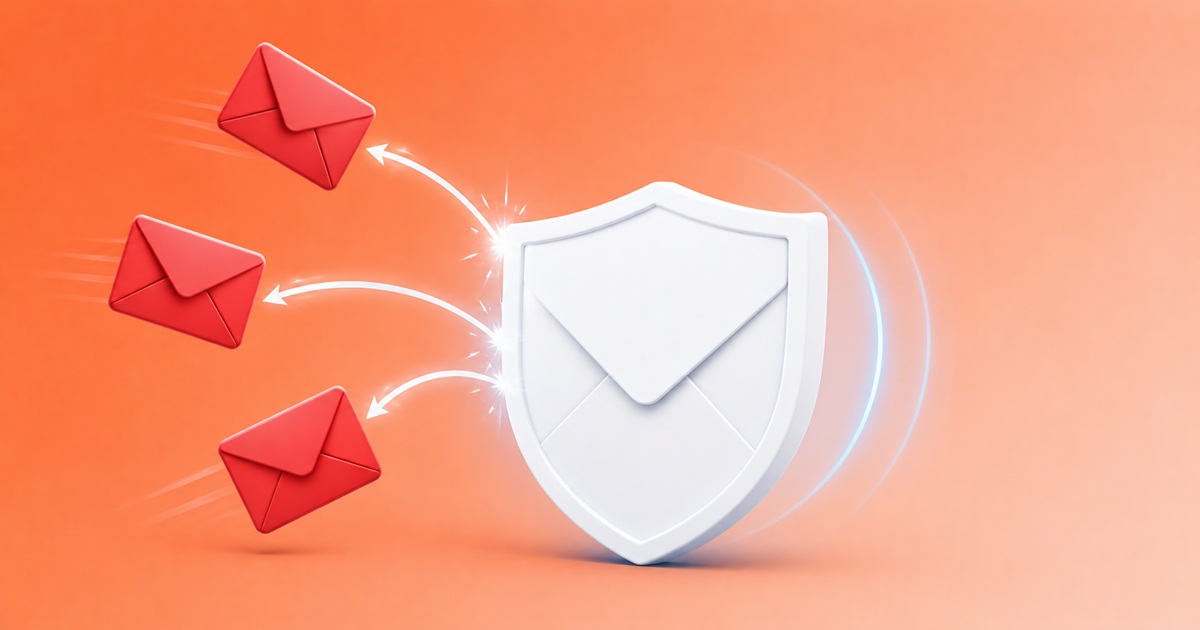
If your inbox is full of mail you didn't ask for, the cause is almost never random — it's a chain of small decisions made over years. Every form you filled in, every "enter your email to continue" wall, every newsletter you forgot to unsubscribe from. A free email generator breaks that chain. Used consistently, it can take an inbox from 200 promotional emails a day down to only the messages you actually want.
Where spam really comes from
The myth is that spammers harvest addresses from the open web. They don't, mostly. The real sources are:
- Sites you signed up for and forgot about. They keep your address forever. Some sell it to "partners". Some get hacked and the database appears on a credential-stuffing list.
- Sites you signed up for and remember. The newsletter you opted out of three times is still sending — because "transactional" exemption.
- Loyalty programs, contests, freebies. The address is the price you paid; the spam is the actual product.
- Lead-gen forms. A "free quote" form on a website is the front-end of a CRM that emails you for the next six months.
An email generator kills every one of these at the source — because the address you handed over wasn't yours to begin with.
The rule of thumb
Before you type your real email address into a form, ask one question: will I be glad in six months that this company can email me? If the answer isn't a clear yes, use a free email generator instead.
- Will I read their newsletter? → No → use the generator.
- Will I log in again? → No → use the generator.
- Is this a one-time download? → Yes → use the generator.
- Is this my bank? → Yes, real address.
The "one address per company" rule (for cases when you need a real one)
If a service is important enough to give your real address to, give it a unique address — not your default. Many real providers support "plus addressing" (you+amazon@example.com). When spam starts arriving at you+amazon, you know exactly who leaked. Combine this with a free email generator for everything else and your inbox becomes auditable.
What to do with addresses you've already burned to spam
If your main inbox is already noisy, you have three options:
- Filter aggressively. Set up filters that auto-archive anything from senders you didn't add to a contact list. Imperfect but immediate.
- Use forwarding aliases. Switch all your important services to forwarding aliases (one per service), then mass-unsubscribe from anything you no longer use. See email generator vs mail forwarding for the trade-offs.
- Start an inbox-zero account. Create a new clean address for the future, use the free email generator for everything else, and let the old inbox slowly die.
When sites block generated addresses
Big providers (Google, Microsoft, some banks) maintain blocklists of email-generator domains. If a site rejects your generated address with "this email cannot be used", try a different domain from the dropdown — at least one of our active domains is almost always missing from any single blocklist. We rotate them on purpose; see new domain for how it works.
For a wider set of survival tips, read email generator best practices.
What an email generator can't do about spam
It's a prevention tool, not a cure, and it's honest to be clear about the edges:
- It can't clean an address you've already exposed. Once your real address is on a leaked list, a generator does nothing for that address — it only stops new exposure. The cleanup for existing noise is the three options above.
- It won't help where you genuinely need the relationship. Your bank, your employer, your doctor — these must reach you, so they get your real address. A generator is for the long tail of one-off sign-ups, not for everything.
- It doesn't filter the inbox it gives you. A generated inbox shows every message that arrives, spam included. That's by design — you simply abandon the address instead of fighting a filter.
If a code or confirmation link is the only reason you're handing over an address, receiving verification codes with an email generator covers that exact flow; for the quick answers people ask most, see the email generator FAQ.
The compound effect
The first time you use an email generator instead of your real address, the saving is tiny. After a year of consistent use, the difference is night-and-day. You spend a fraction of the time you used to spend deleting promotional mail, and the messages that do arrive are mostly ones you actually want to read.